Temperament Evolution: How Your Personality Type Changes Over Time
Have you ever looked back at who you were ten years ago and felt like you were looking at a stranger? Perhaps you were a shy, quiet child who grew into a bold, outgoing leader. Or maybe you were once a hot-tempered teenager who is now the calmest person in the office. This leads many of us to ask a very important question: Can your temperament actually change as you get older?
For a long time, people believed that our temperament was a "hard-wired" part of our biology. The idea was that you were born as a Sanguine, Melancholic, Choleric, or Phlegmatic individual and stayed that way forever. However, modern psychology tells a much more exciting story. While our core nature provides a foundation, our personalities are far more flexible than we once thought.
Understanding how your temperament evolves is the key to personal growth. It allows you to stop feeling trapped by your "labels" and start looking at your traits as tools you can develop. To begin this journey of self-discovery, it is helpful to establish a baseline. You can take a free temperament test on our website to see where you stand today before diving into the science of change.
The Science Behind Temperament Evolution
To understand how change happens, we first need to look at what temperament actually is. In simple terms, temperament refers to the "how" of behavior. It is your natural style of reacting to the world. Some people react quickly and intensely, while others are slow and steady. While these patterns start in infancy, they are not set in stone.
From Static Traits to Dynamic Processes
In the past, psychology often viewed temperament as a static trait. This meant if you were born with a "difficult" or "intense" temperament, you were expected to struggle with those same issues for life. Today, we use the dynamic temperament theory. This theory suggests that our personality is a process, not a fixed object.
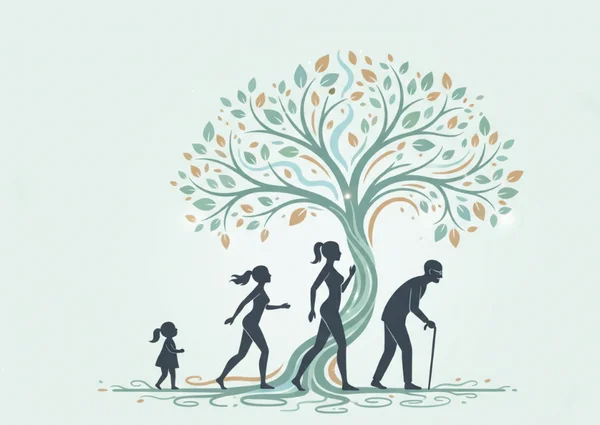
Your temperament flows like a river. Its path shifts with the environment—whether rocky terrain or calm weather. Just as a river adapts, so can your personality. Your internal traits interact with your life experiences, causing your personality to shift and adapt over time. By taking a temperament test online, you are simply taking a "snapshot" of the river at a specific moment in time.
Neuroplasticity and Temperament Flexibility
The most powerful evidence for temperament evolution comes from the field of neuroscience. We now know that the human brain possesses neuroplasticity. This is the brain’s amazing ability to reorganize itself by forming new neural connections throughout life.
When you learn a new way to handle stress or practice being more social, you are physically changing your brain. For example, mindfulness practice helps Melancholic types manage anxiety. Gradually, their brain’s ‘fight or flight’ reactivity dims—proof that biology isn’t destiny. This scientific reality proves that we are not stuck with our initial biological settings. We have the biological hardware to support a more flexible and evolving personality.
Life Stages and Their Impact on Temperament Expression
As we move through different stages of life, the world asks different things of us. These external demands often force our temperament to "evolve" so we can survive and thrive. A person’s temperament at age five often looks very different from their temperament at age fifty.
Childhood Foundations vs. Adult Development
During childhood, temperament is mostly about biology. You see infants who are naturally bold or naturally fearful. However, as we enter adulthood, a process called maturation takes over. Most people find that as they age, they become more emotionally stable, more agreeable, and more responsible.
Psychologists call this the "maturity principle." Even a very impulsive "Sanguine" child will likely learn to control their impulses as their prefrontal cortex fully develops in their mid-20s. This part of the brain is responsible for decision-making. To see how your childhood traits have shifted into your current adult profile, you can understand your type using our scientific assessment.
How Career and Family Roles Shape Your Temperament
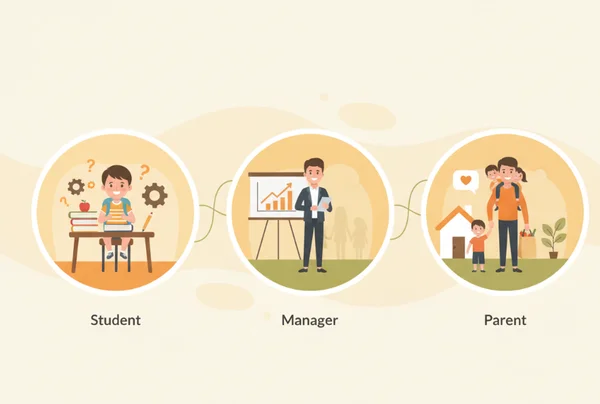
Your environment acts as a sculptor for your personality. Think about the roles you play every day. A "Phlegmatic" person who is naturally quiet might be promoted to a management position. To succeed, they must learn to be assertive and decisive—traits usually associated with a "Choleric" temperament.
Similarly, becoming a parent or a spouse can soften a person’s edges. A highly independent person might become more nurturing and patient out of necessity. These aren't just "faked" behaviors; over years of repetition, these actions become a part of who you are. Your career and family life provide a training ground for your temperament to grow and expand beyond its original boundaries.
Conscious Efforts to Modify Temperament Traits
While life naturally changes us, we don't have to wait for life to happen. You can take the driver’s seat in your own evolution. If there is a part of your temperament that holds you back, you have the power to modify it through conscious effort and practice.
Evidence-Based Techniques for Developing Secondary Traits
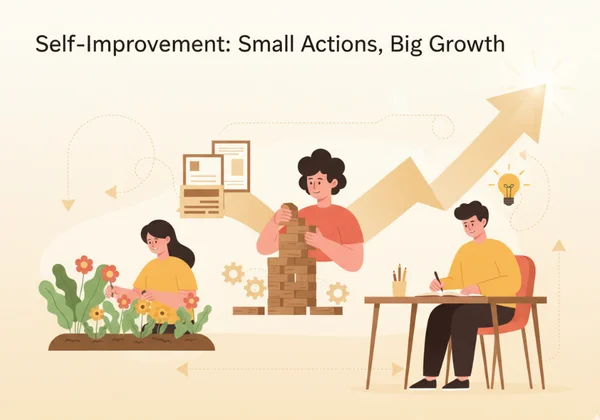
You don't need to change your entire identity to improve your life. Instead, you can focus on developing secondary traits. If you are naturally a "Melancholic" introvert but want to be better at networking, you can use evidence-based techniques:
- Micro-Habits: Start small. If you want to be more "Sanguine" and social, make it a goal to say "hello" to one new person a day.
- Cognitive Reframing: When you feel a "Choleric" burst of anger, stop and ask, "Is this reaction helpful?" Changing your thoughts eventually changes your temperamental reactions.
- Skill Acquisition: Treat personality traits like skills. Resilience, patience, and enthusiasm can all be practiced until they feel natural.
Before you start modifying your traits, it is essential to know your starting point. You can Discover your current temperament today to identify which traits are your strengths and which ones you might want to work on.
How Real People Transformed Their Temperament
Consider the story of "David," a classic Choleric. In his 20s, David was highly successful but very aggressive. He often hurt his colleagues' feelings and struggled to keep friends. Recognizing this, David spent a decade practicing "active listening" and empathy. By his 40s, his colleagues described him as a "supportive and calm mentor." David didn't lose his Choleric drive, but he evolved to include Phlegmatic patience.
Another example is "Sarah," a shy Melancholic who feared public speaking. Through years of teaching and voluntary presentations, she developed a "social mask" that eventually became a part of her true self. She still enjoys her alone time, but she no longer feels the paralyzing anxiety she once did. With effort, these changes are within reach. Progress starts with one intentional step.
Balancing Acceptance and Growth: A Healthy Approach
As we talk about change, it is important to remember that evolution is not about "fixing" something that is broken. Every temperament type has beautiful, built-in strengths. The goal of temperament evolution is to find a balance between accepting who you are and striving for who you want to become.
Leveraging Your Core Strengths While Developing New Skills
You should never try to completely erase your core temperament. If you are a Sanguine, your natural joy and energy are gifts to the world. If you are a Melancholic, your depth of thought and attention to detail are invaluable.
Growth happens when you take your core strengths and add new "tools" to your belt. A Phlegmatic person doesn't need to stop being peaceful; they just need to learn how to be "peacefully assertive" when necessary. Evolution is about expansion, not replacement. It is about becoming a more "well-rounded" version of your original self.
When to Seek Professional Guidance for Temperament Development
Sometimes, our natural temperamental tendencies can feel overwhelming. If you find that your reactions—such as extreme anger, deep sadness, or intense social anxiety—are making it impossible to live a happy life, it might be time to seek professional guidance.
Therapists and coaches can provide personalized strategies to help you navigate your temperament. They can help you distinguish between your natural personality and potential mental health challenges. Our online temperament test is a wonderful starting point for self-reflection, but it is not a substitute for clinical diagnosis. Use the results as a map to discuss with a professional if you feel stuck in your growth journey.
Your Temperament Isn’t a Life Sentence—It’s a Starting Point
While you are born with certain tendencies, the science of neuroplasticity and the realities of life stages prove that you are constantly evolving. Whether through the natural maturation of age or the conscious effort of self-improvement, you have the ability to shape the person you become.
Like a river reshaping its banks, your temperament keeps evolving with every experience. As you move through new careers, relationships, and challenges, your temperament will continue to adapt. The first step to mastering this evolution is understanding where you are right now.
Are you ready to see how you've changed? We invite you to see your results by taking our free, science-based test. Use the insights you gain to celebrate your natural strengths and identify the areas where you want to grow. Your future self is waiting for you to begin.

FAQ Section
Can my temperament type really change over time?
Yes, it can. While your basic biological "tilt" often remains, your behavior, emotional regulation, and social style change significantly due to life experiences and maturation. Most people become more stable and agreeable as they age. Learn more about how life stages impact growth.
How long does it take to see significant temperament changes?
Personality change is usually a slow process. While small behavioral changes can happen quickly, significant shifts in your natural reactions typically take months or years of consistent practice. It's helpful to Explore your temperament profile every year or two to track your progress.
What's the difference between changing my temperament and just developing new habits?
They are closely related. Habits are the "building blocks" of temperament. When you repeat a new habit long enough—like pausing before you speak when angry—it eventually becomes an automatic part of your temperament. Check our guide on the science of change.
Does childhood temperament predict adult temperament?
Research shows there is a connection, but it isn't a guarantee. An "inhibited" child is more likely to be an introverted adult, but many people successfully "outgrow" or adapt their childhood traits as they gain confidence and life experience.
How can I tell if my temperament changes are positive growth or negative stress responses?
Positive growth usually feels like you are gaining more "tools" and more control over your life. Negative shifts caused by stress often feel like "losing" your strengths or feeling forced into a behavior that leaves you exhausted. If you're unsure, checking your profile can help you see if you are operating from a place of strength or survival. Learn more about neuroplasticity.